They Want to Scan Your Eyeball Before You Can Get a Date
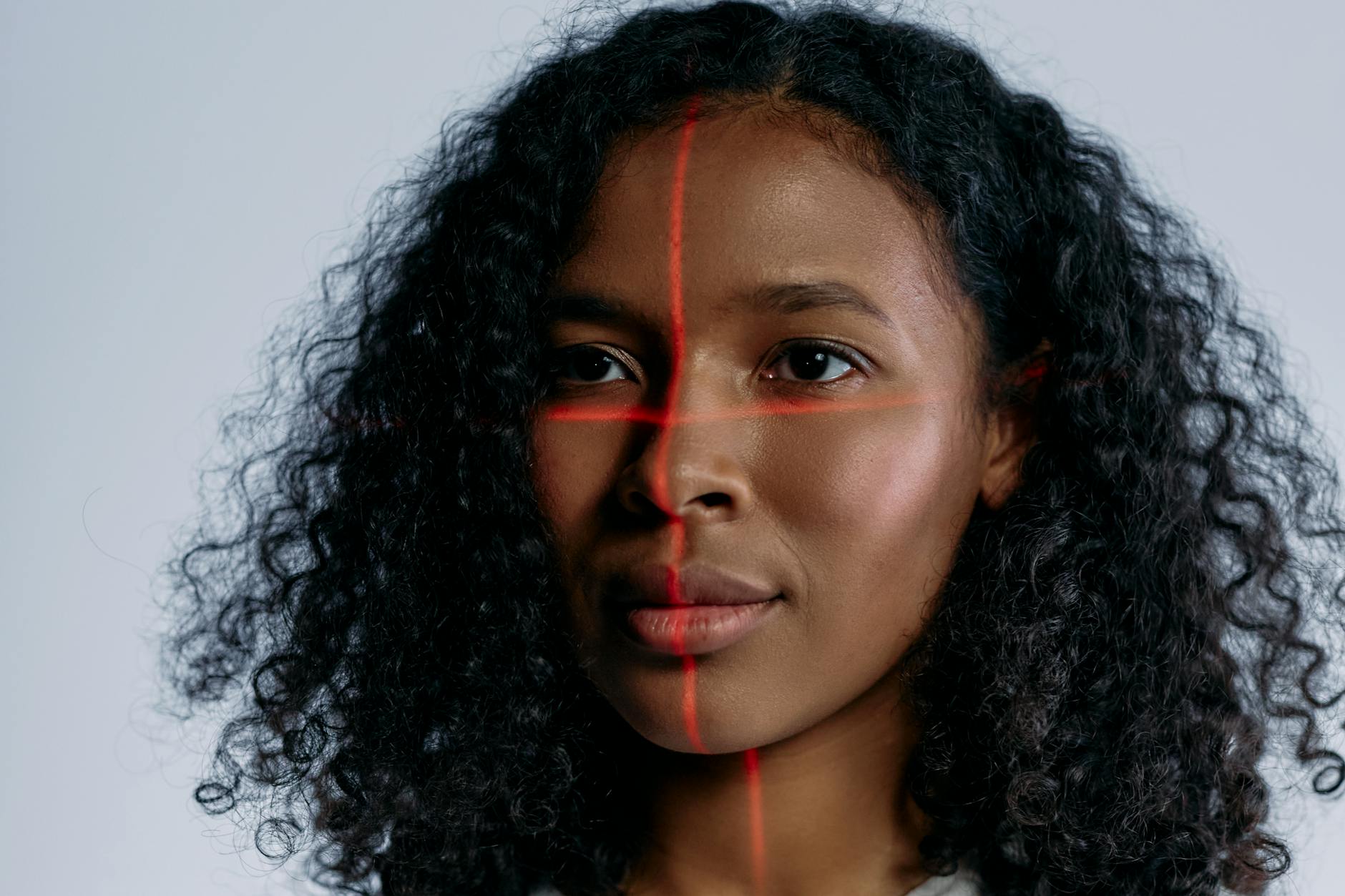
If you’ve heard about the Tinder face scan verification and wondered whether it’s real or some kind of scam — you’re not alone. It sounds like the opening scene of a dystopian movie. You walk up to a silver orb, it scans your face and iris, and in return, you get to prove you’re a real human on a dating app. That’s not fiction. That’s Tinder in 2025.
Tinder has partnered with a company called World (yes, just “World”) — a biometric identity startup co-founded by Sam Altman, the same guy who runs OpenAI. The idea is simple, even if the execution is wild: visit a physical Orb device, get scanned, and receive a “World ID” that proves you’re a real person and not a bot or AI-generated fake profile.
And yes, this is actually happening. So let’s talk about what it really means for you.
Why Dating Apps Are Suddenly Desperate to Prove You’re Human
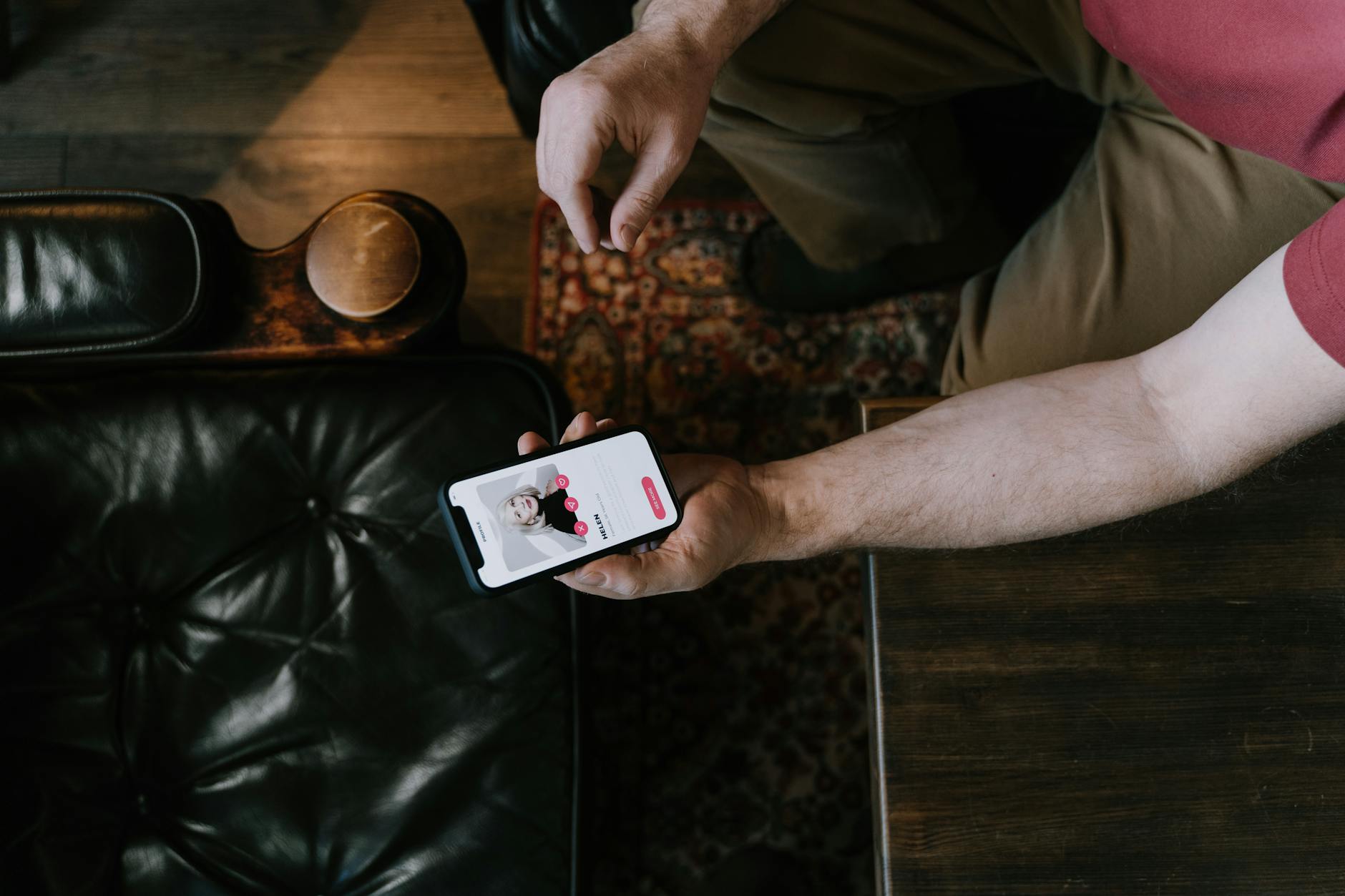
Online dating has a bot problem. A big one. Estimates suggest that a significant portion of profiles on major dating platforms are fake — run by scammers, catfishers, or increasingly, AI systems designed to keep you engaged (and spending money) without ever meeting you in real life.
Think about the last time a match seemed a little too perfect, replied a little too fast, then casually mentioned they needed a gift card or had a “great investment opportunity.” That’s not a coincidence. That’s a bot, and they’re getting better at pretending to be human every single month.
So Tinder’s logic here isn’t completely crazy. People are scared. They’re tired of wasting emotional energy on profiles that don’t exist. And if scanning your face at an orb means you finally get to talk to real humans? Some people will absolutely do it.
Here’s Exactly How the Orb Verification Works

The World Orb is a physical device — a metallic, soccer-ball-sized sphere — that you visit in person at designated locations. It uses iris scanning (think: the colored part of your eye) and facial recognition to confirm you are a unique, living human being. It’s not checking your name or your address. It’s essentially saying: this specific set of eyes has never been registered before.
Once scanned, you receive a World ID — a kind of digital proof of humanity. Connect that to your Tinder profile, and you get a verified badge. You also get five free Boosts as a reward, which push your profile to the top of other people’s stacks for 30 minutes. In other words, your dating app success could literally depend on whether you trust Sam Altman’s biometric startup with your eyeballs.
That’s not a metaphor. That’s the actual deal on the table.
The Privacy Question Nobody Wants to Answer Out Loud
Here’s where it gets uncomfortable. Biometric data — like your iris pattern or facial geometry — is not like a password. You can’t change it if it gets leaked. Once it’s out there, it’s out there forever.
World says it doesn’t store the raw images of your iris. Instead, it converts the scan into a mathematical code called an “IrisCode” and then deletes the original image. They also use something called zero-knowledge proofs (a cryptographic method that verifies something is true without revealing the underlying data) to protect your identity. Sounds reassuring, right?
Maybe. But we’re also talking about a startup with a glossy pitch deck, a famous co-founder, and a product that has already faced regulatory scrutiny in countries including Germany, France, and Kenya over data handling concerns. Trust, but verify — and in this case, “verify” is doing a lot of heavy lifting.
What This Means in Real Life: A Tale of Two Swipers
Scenario A: You’re a 32-year-old in Chicago who’s been burned by fake profiles twice this year. You wasted three weeks texting someone who turned out to be a scam account. When you hear about Orb verification, you think: honestly? Fine. Take my iris. I just want to talk to a real person.
Scenario B: You’re a 27-year-old who has read one too many headlines about data breaches. You’re not handing over your biometric data to any company, especially one tied to a tech billionaire with his hand in half the AI industry. You’d rather deal with the bots than risk your iris pattern showing up in a database you can never audit.
Both of these people are completely reasonable. That’s the tension here — and Tinder is betting that enough people fall into Scenario A to make this partnership worth it.
Who Actually Benefits (And Who Should Be Careful)
If you’re someone who prioritizes safety and authenticity in dating, verified profiles could genuinely improve your experience. Knowing the person you’re matching with has physically walked up to a machine and confirmed their humanity is… actually kind of meaningful in 2025.
But here’s the tradeoff: verification is optional, at least for now. That means the creeps, the bots, and the catfishers will simply… not verify. The most dangerous profiles won’t have the badge. So you’re not getting a bot-free zone — you’re getting a subset of users who were willing to do something slightly inconvenient.
Also worth noting: the Orb isn’t everywhere yet. If you live in a smaller city or rural area, you may not have access to one at all, which means this “perk” is already unevenly distributed.
What to Do Right Now If You’re Curious (Or Concerned)
- Check if there’s an Orb near you before you get excited or outraged. The rollout is still limited, so this may not even be an option in your city yet.
- Read World’s privacy policy — actually read it, not just click through. Specifically look for what happens to your data if the company is acquired or shuts down.
- Don’t feel pressured by the five free Boosts. That incentive is designed to nudge you into saying yes without fully thinking it through. A few profile bumps are not worth ignoring your gut about data privacy.
- Use it as a filter, not a guarantee. If you do verify and start filtering for other verified users, that’s a reasonable way to reduce (not eliminate) the risk of bots and fake accounts.
- Watch how this evolves. If Tinder starts making verification feel mandatory — like unverified profiles get dramatically less visibility — that changes the calculus entirely and deserves real pushback.
The Bigger Picture: This Is Just the Beginning
The fact that we’re even having this conversation — should I scan my eyeball to get a date? — tells you everything about where online trust is headed. The Tinder face scan verification debate, real or scam, is really a debate about how much of ourselves we’re willing to give to tech companies just to feel safe in digital spaces.
Other apps are watching this experiment closely. If it works for Tinder, expect to see iris scans, liveness checks, and World ID badges popping up on Bumble, Hinge, and beyond. Biometric identity verification in dating apps may go from “weird sci-fi thing” to “totally normal” faster than any of us expect.
For now, the choice is yours. Just make sure it actually feels like a choice — not a manipulation wrapped in a shiny silver orb.
Frequently Asked Questions
Tinder’s face scan verification is real and legitimate—it’s a security feature the app uses to confirm you’re actually the person in your photos. However, scammers sometimes impersonate this feature in fake links or messages to steal your information, so always verify through the official Tinder app only.
Yes, Tinder introduced face scan verification as an optional safety tool to reduce catfishing and fake profiles. The feature uses your phone’s camera to match your live face against your profile photos, and Tinder doesn’t store the scan data.
The official Tinder face scan feature is safe when done directly in the app, as your biometric data isn’t saved. Be cautious of scam links claiming to be Tinder verification—only use the verification tool within the legitimate Tinder application.
Stay ahead of AI — weekly digest
Get the most useful AI updates delivered to your inbox every week. No noise, just what matters.