That YouTuber You Just Watched? They Might Not Have Actually Been There
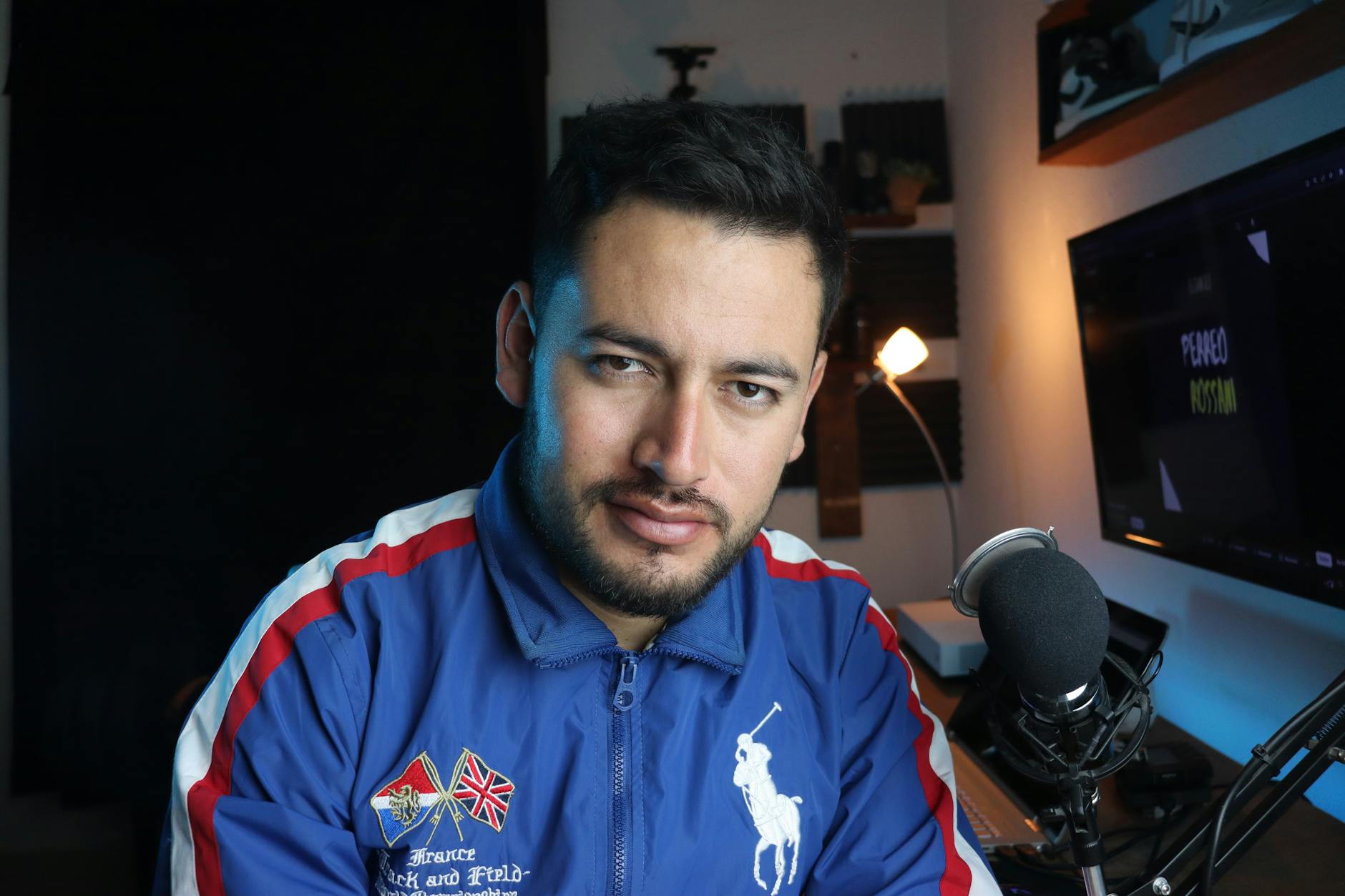
Here’s something that might make you look twice at your screen: YouTube is rolling out a feature that lets creators build a realistic AI clone of themselves — and use it to appear in videos without ever picking up a camera. If you care about YouTube AI clone creators deepfake real videos and what they mean for regular viewers, you’re in exactly the right place.
This isn’t science fiction. It’s happening right now, on the platform where billions of people spend hours every week.
So What Exactly Is This Feature?
YouTube is testing an AI tool for Shorts — those quick vertical videos you scroll through — that allows a creator to generate a digital version of themselves. Think of it like a hyper-realistic avatar that looks like them, sounds like them, and moves like them. The creator doesn’t have to film a single second of footage.
The idea is to make content creation easier and faster. A creator could technically publish daily videos without ever stepping in front of a camera. Sounds convenient, right? Sure. But it also raises some real questions.
Why This Matters for You, Not Just Creators
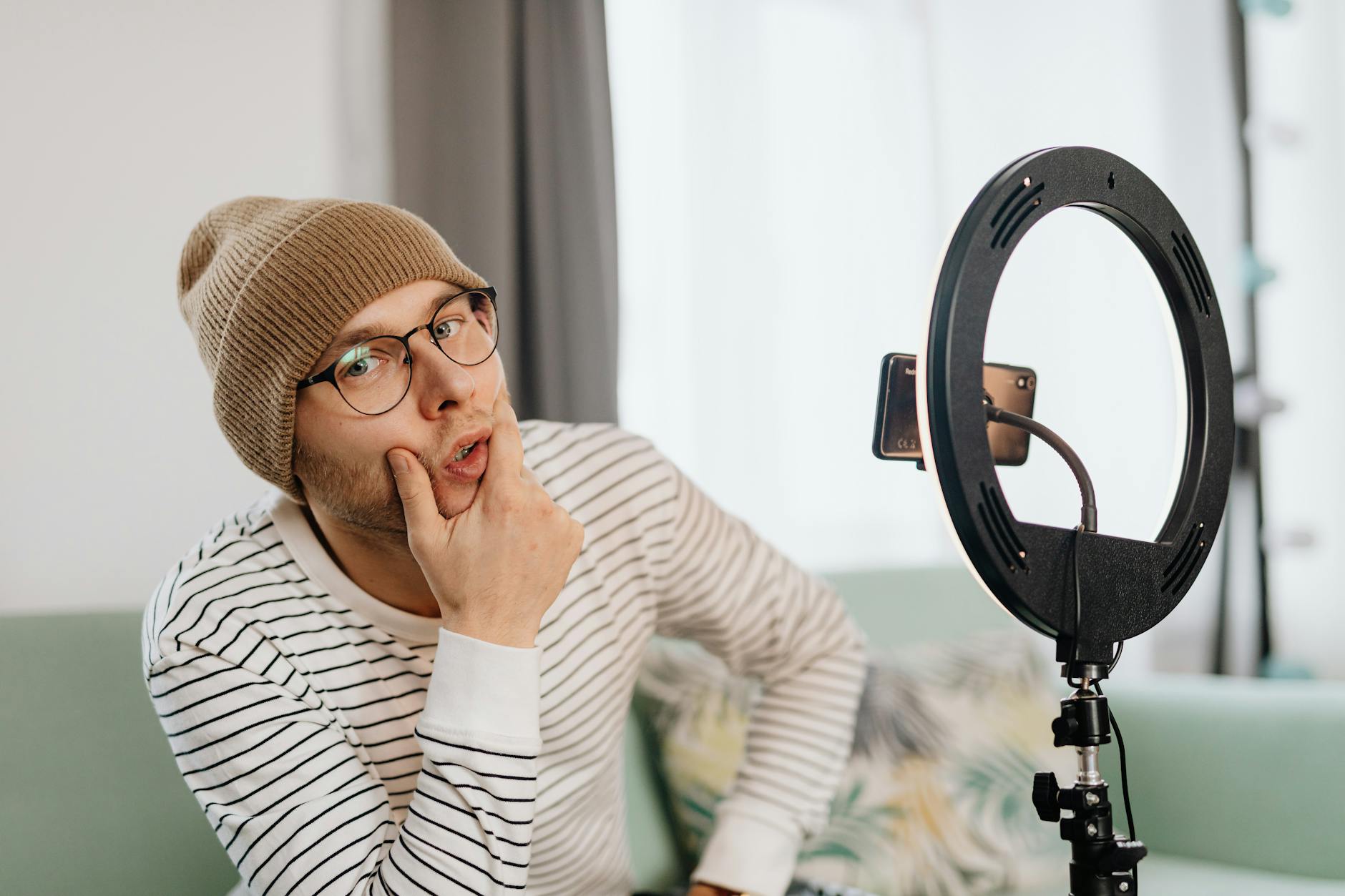
Let’s make this personal. Imagine your teenager’s favorite gaming YouTuber drops a new video every single day. They seem energetic, genuine, totally present. But some of those videos? Generated by AI. No real filming, no real moment — just a digital copy doing its job.
Would your teen know the difference? Honestly, probably not. And that’s not their fault. These AI clones are designed to be convincing.
This is already a crowded space for concern. Deepfake scams — where someone’s face and voice are copied without their permission to trick people — are a massive problem on YouTube right now. Fake crypto giveaways. Fake celebrity endorsements. Fake “urgent messages” from creators asking fans for money. Real people get hurt by these scams every week.
Now we’re adding an official, creator-approved version of the same technology into the mix. You can see why that blurs some important lines.
The Exciting Side (Yes, There Is One)
To be fair, there are genuinely cool possibilities here. A creator dealing with illness, burnout, or a packed schedule could still show up for their audience. A small creator without a filming setup could still produce polished content. Someone who struggles with camera anxiety could finally share their ideas without the stress.
Used thoughtfully and transparently, this tool could actually be a great equalizer in the creator space. The key word there is transparently.
The Part That Needs Fixing: Disclosure
Here’s the real issue. If a creator uses their AI clone, will there be a clear label that says so? Right now, the rules around disclosure are still fuzzy — and “fuzzy” isn’t good enough when we’re talking about YouTube AI clone creators and deepfake-style real videos on one of the world’s most-watched platforms.
Viewers deserve to know what they’re watching. Not buried in fine print. Not in a community post nobody reads. A clear, visible label on the video itself.
- For parents: Talk to your kids about the fact that online creators can now appear in videos without actually filming them. It’s a good moment to build healthy media skepticism.
- For fans: It’s okay to ask your favorite creators directly whether they’re using AI clones in their content. That kind of audience accountability matters.
- For everyone: If something feels slightly off about a video — the phrasing, the energy, the way they move — trust that instinct. Your gut is smarter than you think.
What Should YouTube Do?
YouTube needs to build mandatory, clear disclosures into any video featuring an AI-generated version of a real person. Full stop. The platform already labels AI-generated content in some cases — but those labels need to be consistent, visible, and impossible to skip past.
The technology itself isn’t evil. But trust on the internet is fragile. Once viewers feel like they can’t tell what’s real anymore, that trust is really hard to rebuild.
The Bottom Line
The conversation around YouTube AI clone creators, deepfakes, and real videos is only going to get louder. The smartest thing any viewer can do right now is stay curious, stay a little skeptical, and keep asking: is this actually real?
That question has always mattered online. It just matters a whole lot more now.
Frequently Asked Questions
AI clone creators use artificial intelligence to generate realistic videos that mimic real people, including YouTubers, without their permission. These deepfake videos can make it appear that someone said or did something they never actually did, which can spread misinformation and deceive viewers.
Look for subtle signs like unnatural lip-syncing, odd eye movements, inconsistent lighting, or audio that doesn’t quite match the video. YouTube’s official channels usually have verification badges, and you can check a creator’s upload history to spot videos that seem out of character or unusually placed.
While deepfakes themselves aren’t always illegal, using them to impersonate someone, commit fraud, or spread false information can violate laws against harassment, defamation, and identity theft. YouTube’s policies prohibit deepfakes that mislead viewers about important events or impersonate real people without consent.
Stay ahead of AI — weekly digest
Get the most useful AI updates delivered to your inbox every week. No noise, just what matters.